
Decorating with intention: How to build a home that feels like you

There's a difference between a home that looks decorated and one that feels lived in, not in a messy sense, but in the way it holds a sense of the person who lives there.
You can tell within moments of walking into a room whether the choices were made with intention or simply defaulted to whatever was trending at the time.
Creating a personal interior style isn't about following rules or investing in everything at once. It's a slower, more rewarding process, one that starts with understanding what you're genuinely drawn to and building from there.
Here's how to think about it.
Featured collection





Start with what you actually love
The single most common decorating mistake is buying for a style you admire rather than one you'll actually live comfortably in. Before you choose anything for your space, sit with the question of what kind of environment makes you feel most at ease.
Is it clean and minimal with strong sculptural accents?
Warm and layered with natural textures?
Modern with an edge?
Knowing the answer shapes every decision that follows.
If your instinct leans towards the bold and contemporary, statement sculpture is one of the most effective ways to express that.

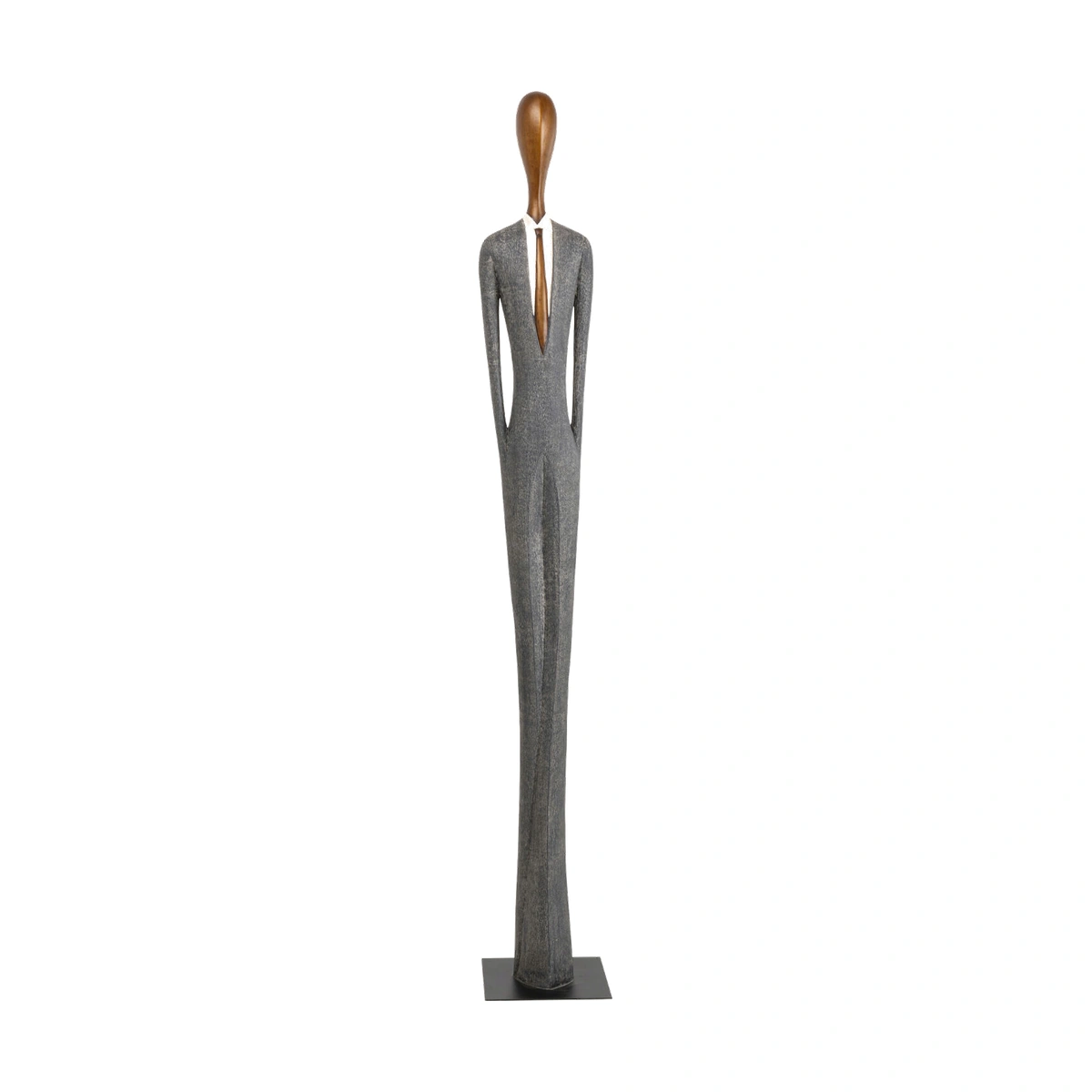
The Mister Decorative Figurine, a tall, grey fibreglass figure with an abstracted human form, does what the best decor pieces do: it adds presence without demanding attention. It works in a corner, beside a console or anchoring a hallway and it communicates a considered aesthetic without a single word.
Anchor each room with one significant piece

Interior styling works best when it's built around anchors, pieces significant enough to define the character of a room, around which everything else can be arranged.
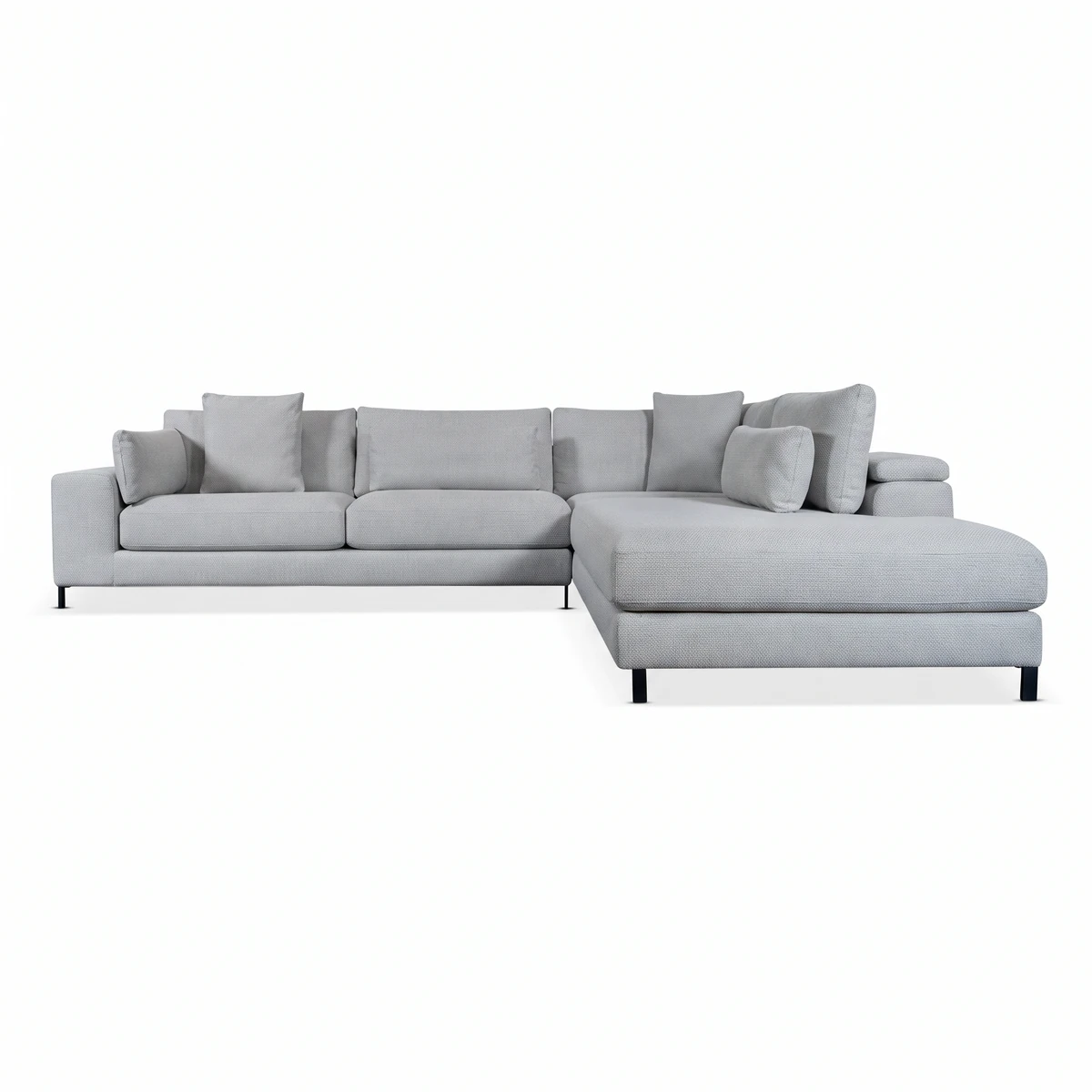
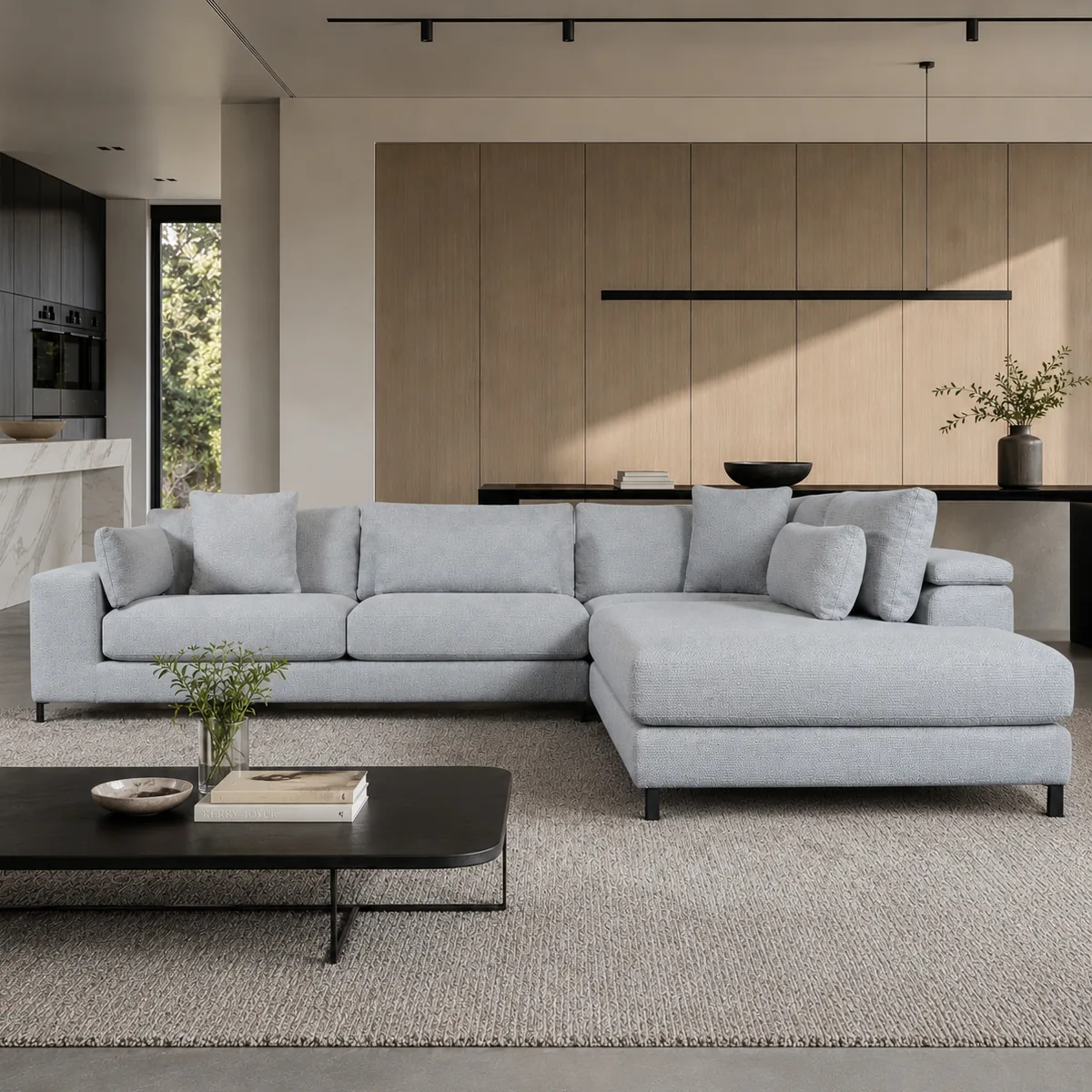
In the living room, that anchor is almost always the sofa. Get it right and the rest of the room becomes significantly easier to pull together.
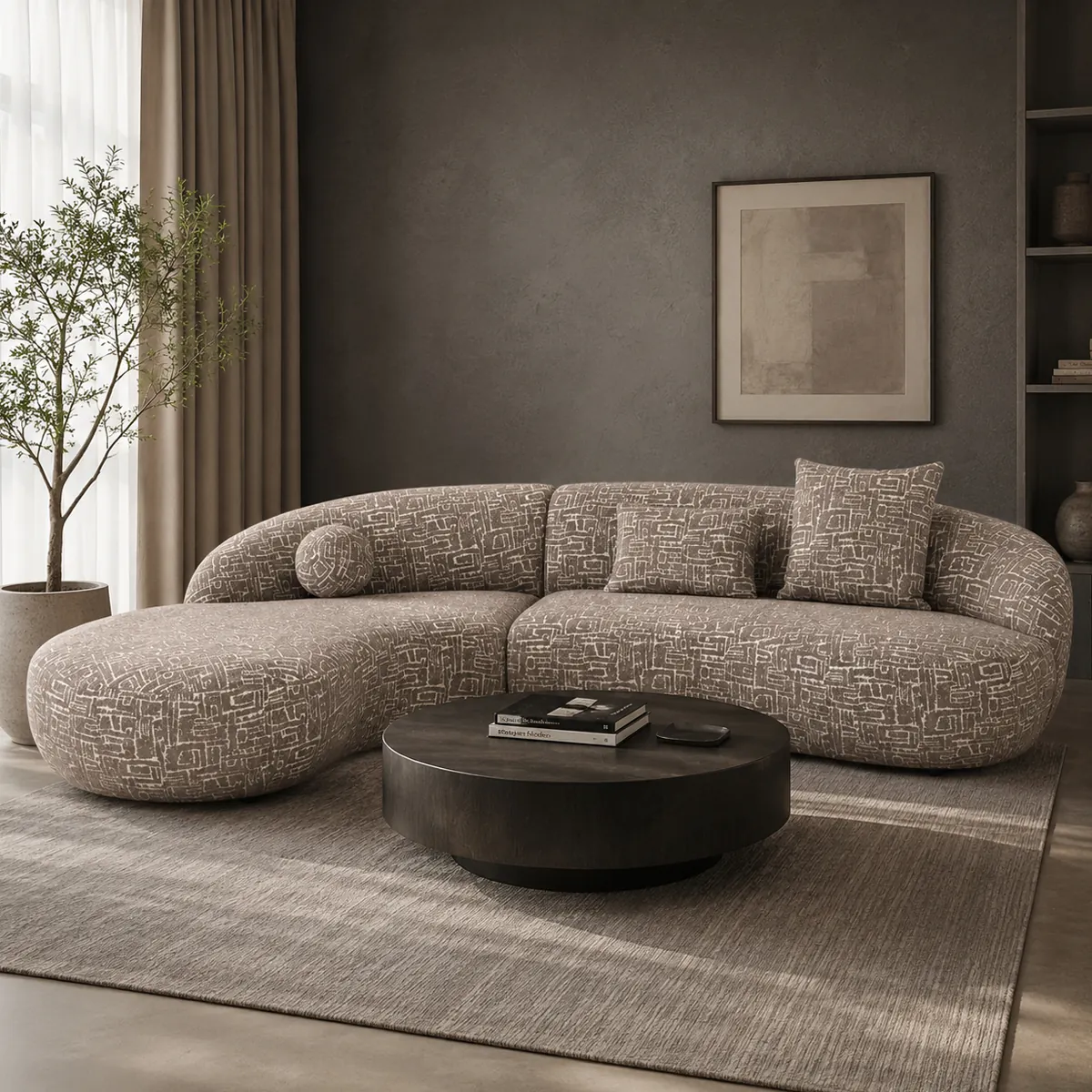
The Horizon Corner Sofa in beige plush fabric is a strong example of an anchor done well. Its generous proportions create a focal point in any living space, while the neutral tone keeps it versatile enough to work alongside bolder accessories and wall art.
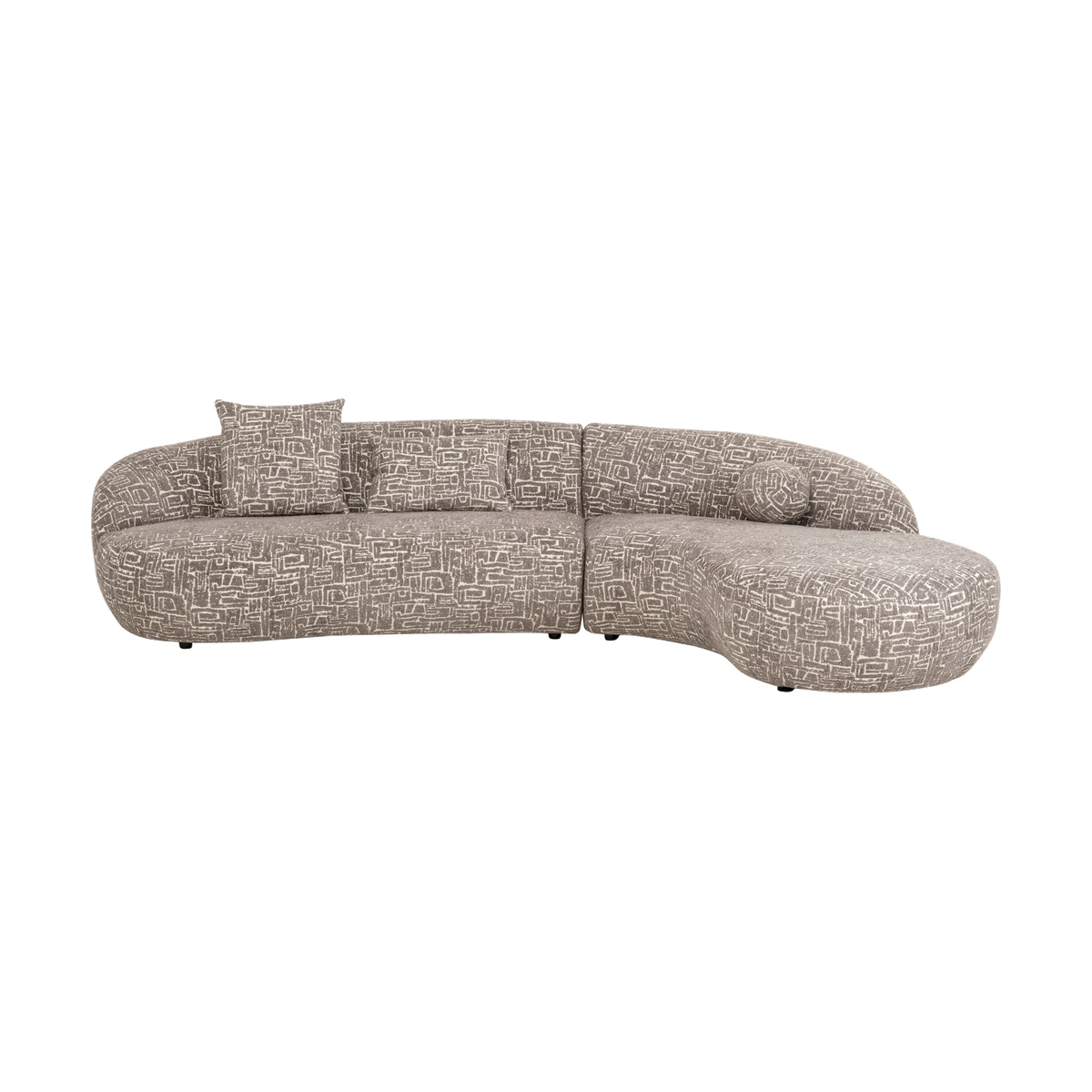
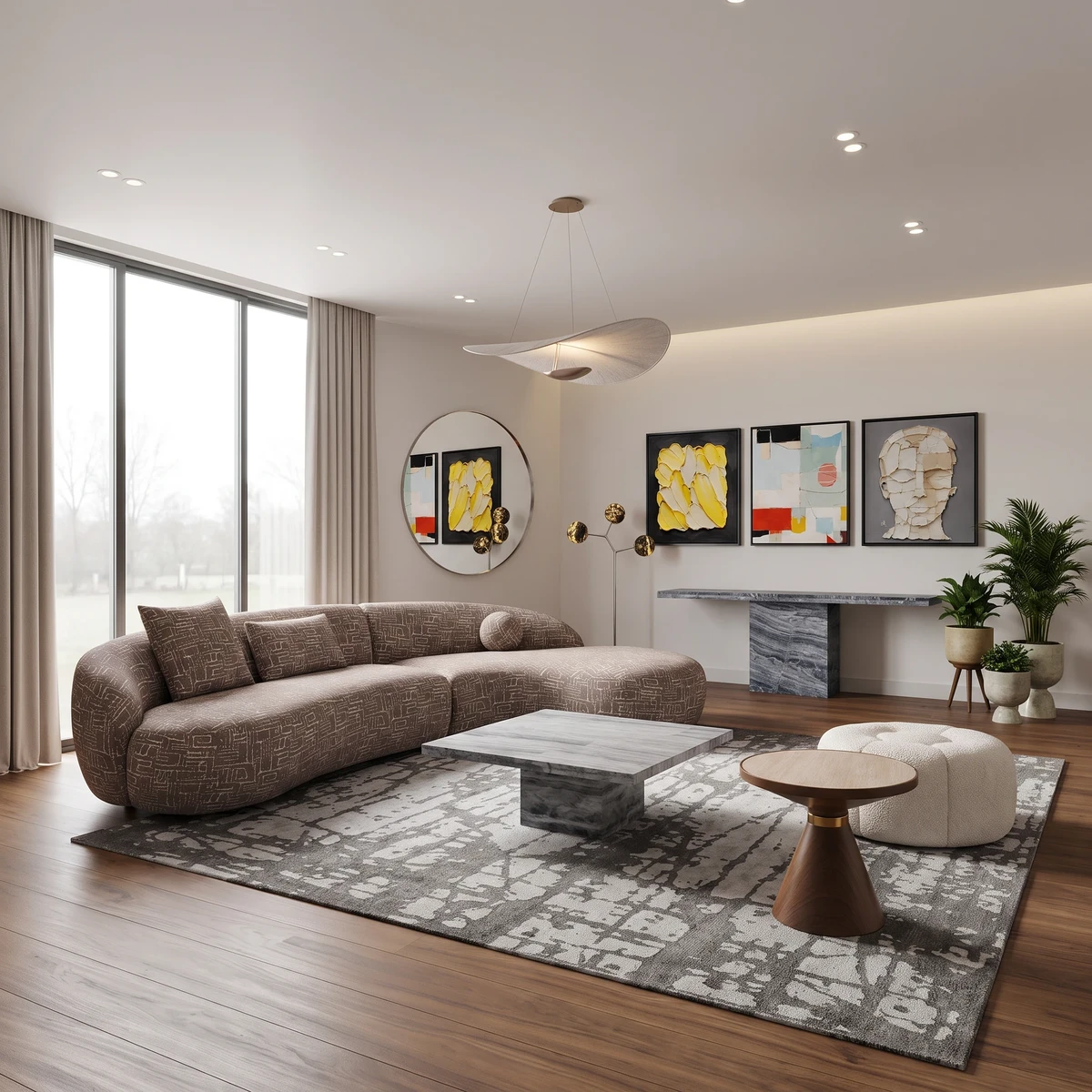
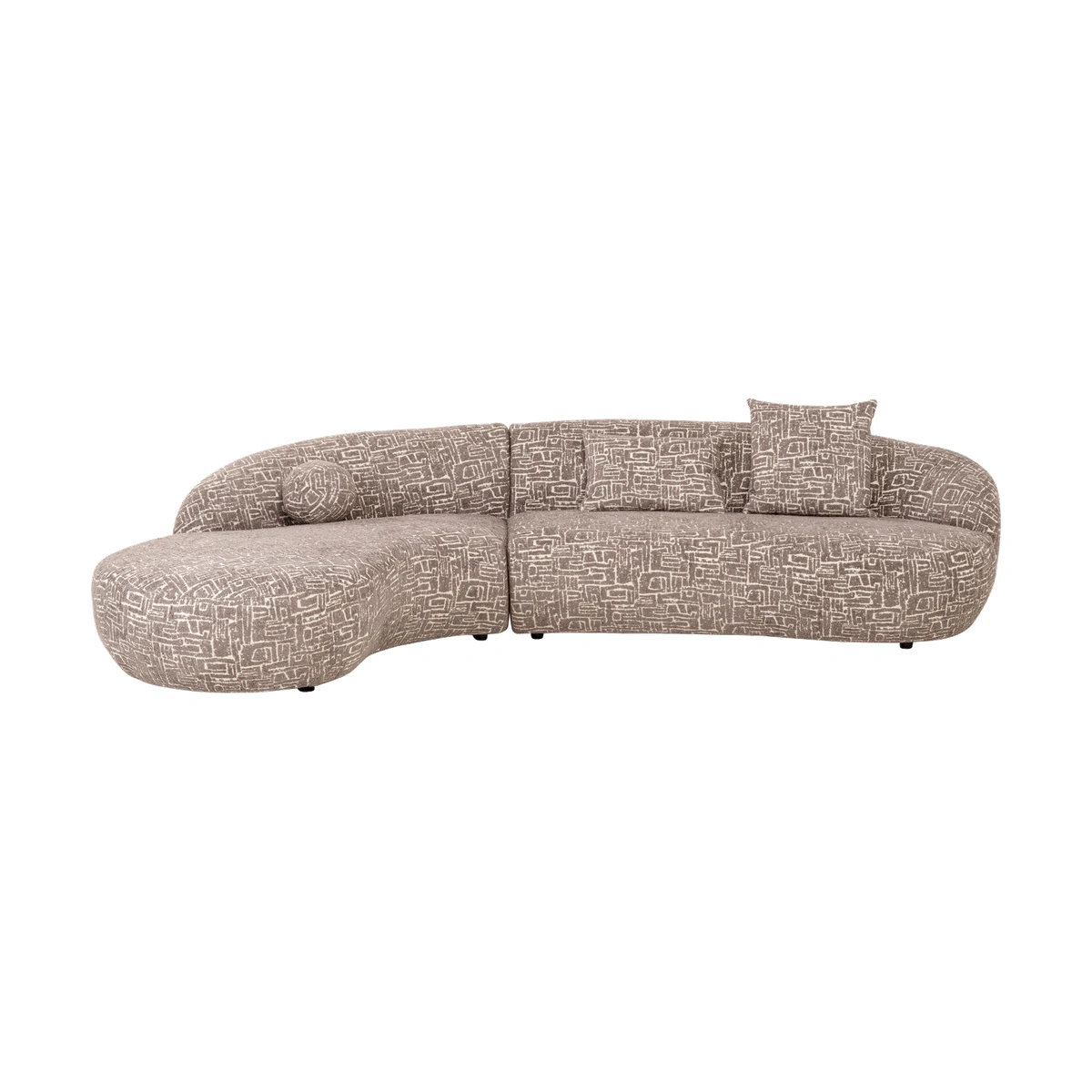
For those who prefer a warmer palette, the Lou Corner Sofa in rich brown offers a modular, deeply comfortable alternative with a more grounded, tactile quality.
If you're working with a smaller or more flexible space, a studio, a guest room that doubles as a sitting room, the Lumo 2.5 Seater Sofa Bed in warm brown fabric is a smart anchor: clean geometry and plush fill in a compact frame that doesn't compromise on comfort despite its versatility.
Let your walls do more work
Walls are the most underused canvas in most homes. A well-chosen piece of wall art doesn't just fill a space; it establishes the emotional tone of a room, signals taste and creates a visual point of return every time you walk in.
The key is to choose pieces that genuinely resonate with you, not simply what looks neutral or safe.
The Framed Wall Art Old Racing Car is an example of art that earns its scale, a large-format vintage automotive image in a black resin frame that brings graphic energy to a dining room, a living room or a study.
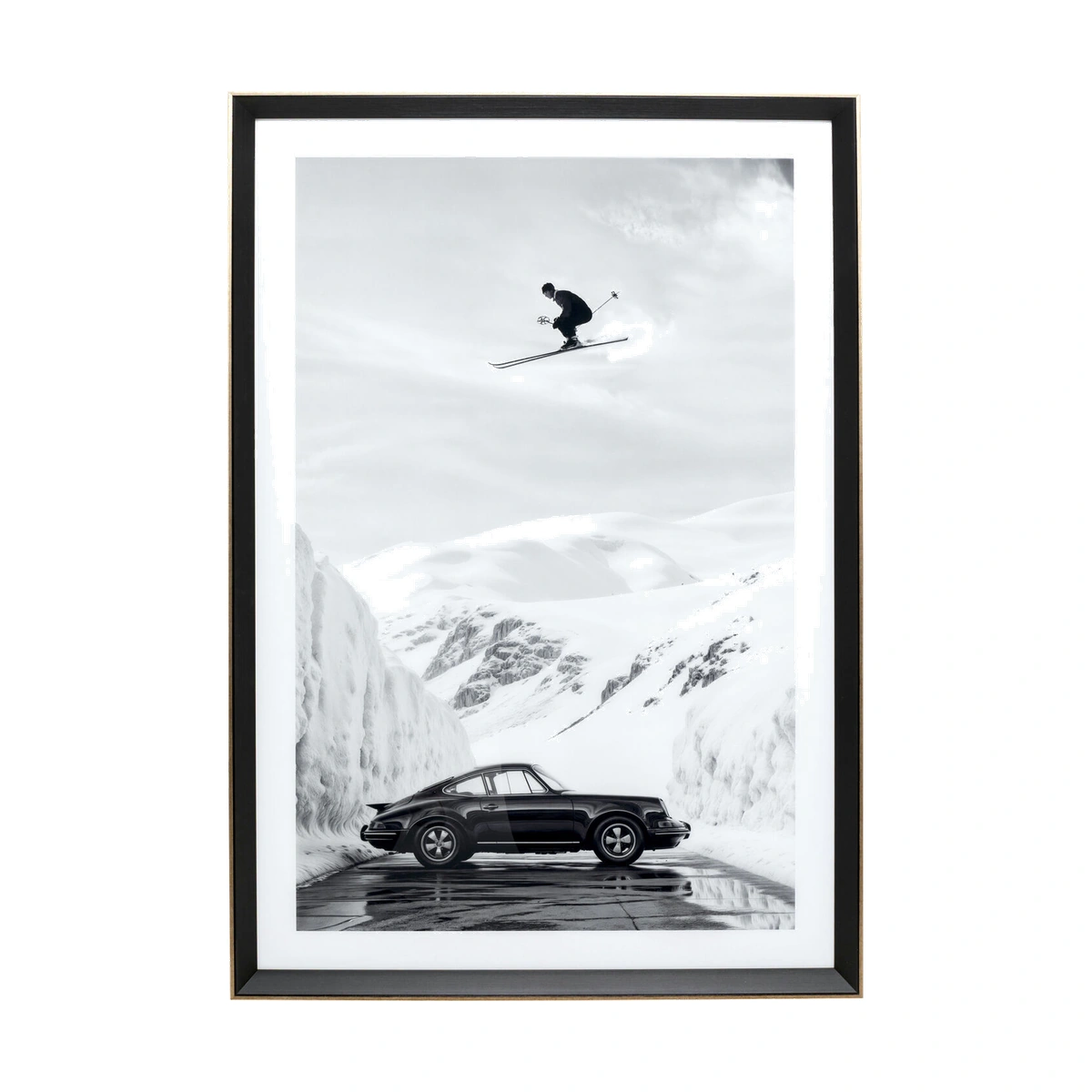
Similarly, the Ski Stunt Framed Picture in black polyresin brings energy and movement to a wall — the kind of piece that feels chosen rather than simply placed.
Both pieces reward the willingness to commit to something specific rather than reaching for the generic.
Think about scale
One of the quieter principles of good interior styling is that scale creates drama. A small sculpture in a large room disappears. An oversized piece in a considered space commands it.
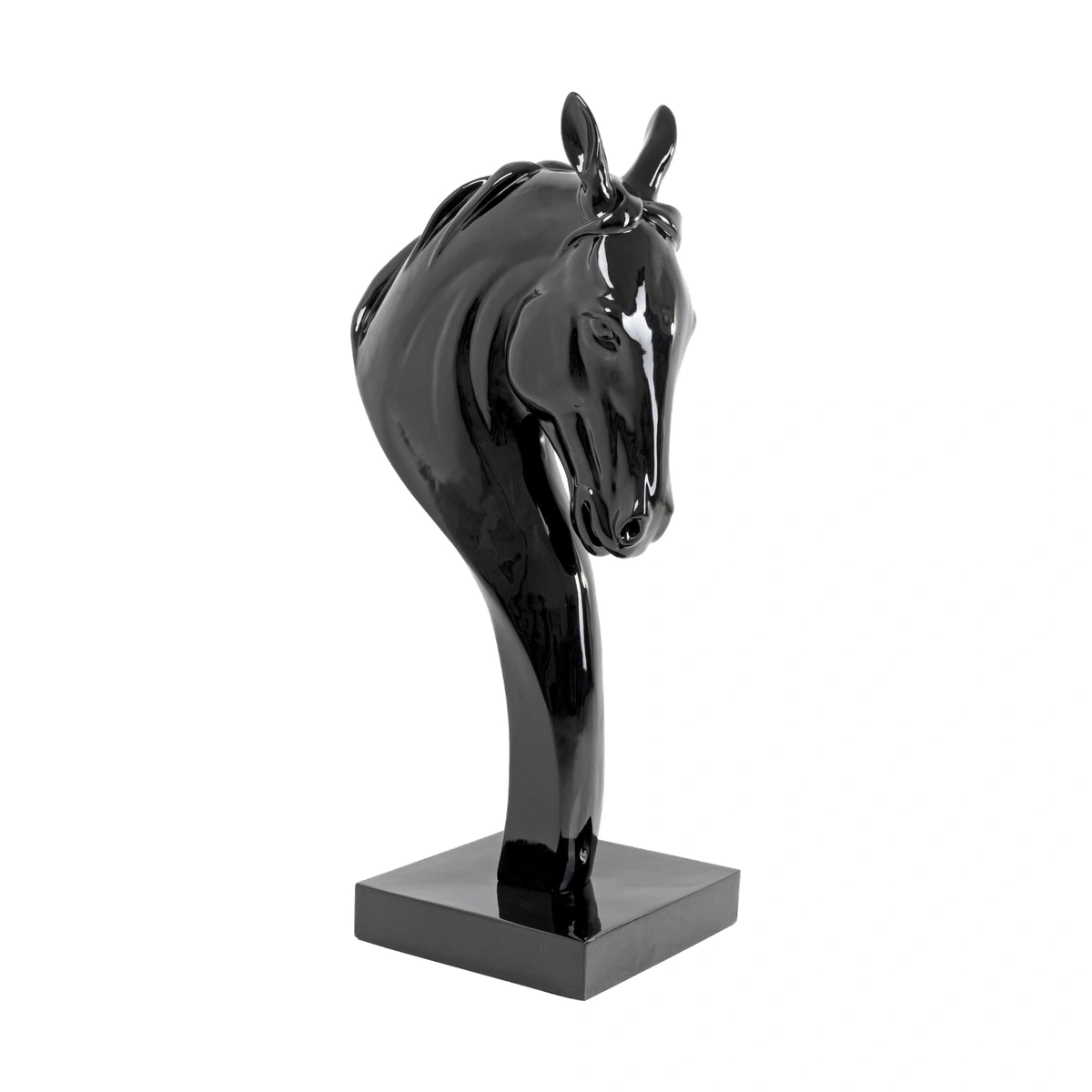
The Horse Head Sculpture, a full-scale black fibreglass form, is exactly the kind of piece that understands this. It's the size of a statement, appropriate for a double-height entryway, an atrium or a living room with generous ceiling height. It creates a moment in a space rather than simply occupying it.
Storage that contributes to the aesthetic

Good storage should never be an afterthought. In well-styled homes, it's part of the design, pieces that do a practical job while also adding to the visual language of a room.
The Ripple Sideboard is a case in point. An oak-finish base topped with white Banswara marble and finished with brass detailing. It works as dining storage, a credenza or a display surface and its material combination (natural wood, stone and metal) gives it an inherent richness that makes it feel like a design choice rather than a utility purchase.
For a lighter, more contemporary approach to the same idea, the Lunar Sideboard in beige with mirrored glass panels and stoneware detailing brings organisation to living rooms and dining rooms without heaviness. Its reflective surfaces do the useful work of expanding a space visually, a practical consideration in UAE apartments where rooms earn their dimensions.
The Lunar Lowboard extends the same aesthetic into a TV unit, keeping the living room visually cohesive while solving the perennial problem of media storage.
A dining table that grows with you

The dining room is often where a home's personality is most on display; it's the space where people gather and where the room has to perform under scrutiny. A dining table that can adapt to those occasions is worth its footprint.
The Tempo Extendable Dining Table in silvery glass and steel offers a contemporary, light-touch solution. Its extendable function means it can serve a quiet weeknight dinner as neatly as it serves a dinner party and the glass surface keeps the room from feeling enclosed, which is particularly useful in spaces that already have a lot of visual weight.
Personality is in the details
A room that has been considered all the way down to its details feels different to one that hasn't. Those details don't need to be expensive; rather, they need to be intentional.
The Solea Mirror Bar is the kind of detail that elevates a living room from well-furnished to genuinely styled. Its mirrored glass panels and structured storage make it a functional piece, but its visual impact is all about confidence — the confidence of a home that takes its interiors seriously.
The bigger picture
A personal interior style isn't built in a weekend. It's assembled over time, one considered choice at a time. The homes that feel most compelling are rarely the ones that match perfectly; they're the ones where every piece has a reason to be there.
Start with what you love. Anchor each room with intention. Let the details follow.


