
What goes under the coffee table? A practical guide to rugs and living room layouts

Most people style their living room from the sofa outward. They choose a sofa, arrange chairs around it and then wonder why the room doesn't quite come together. The missing logic, more often than not, is the coffee table and the rug underneath it. These two pieces are the visual centre of any living room. Get them right and the rest of the room becomes a natural conversation between all the elements. Get them wrong and no amount of cushion-shuffling will fix it.
Here's how to think about it.
Featured collection

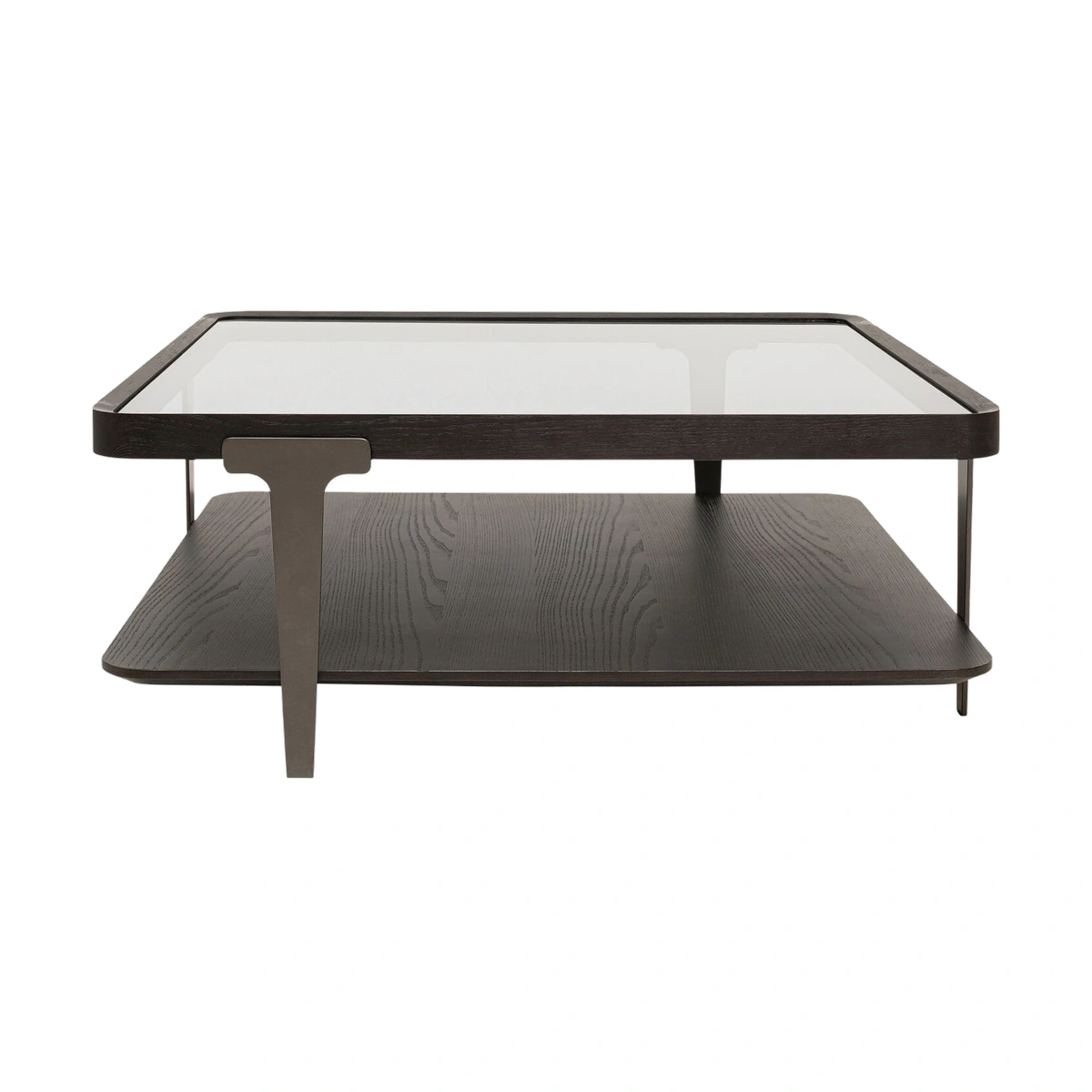


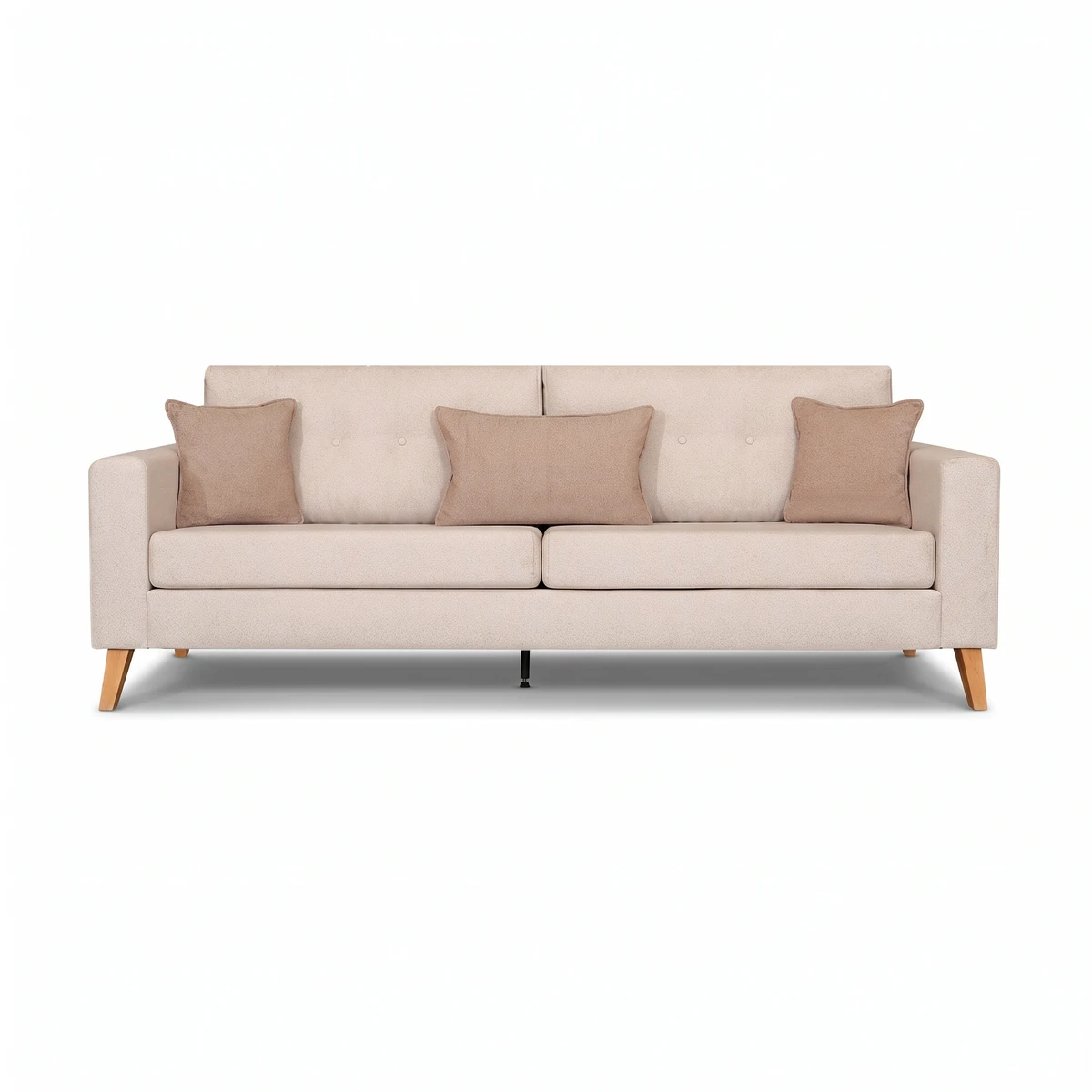
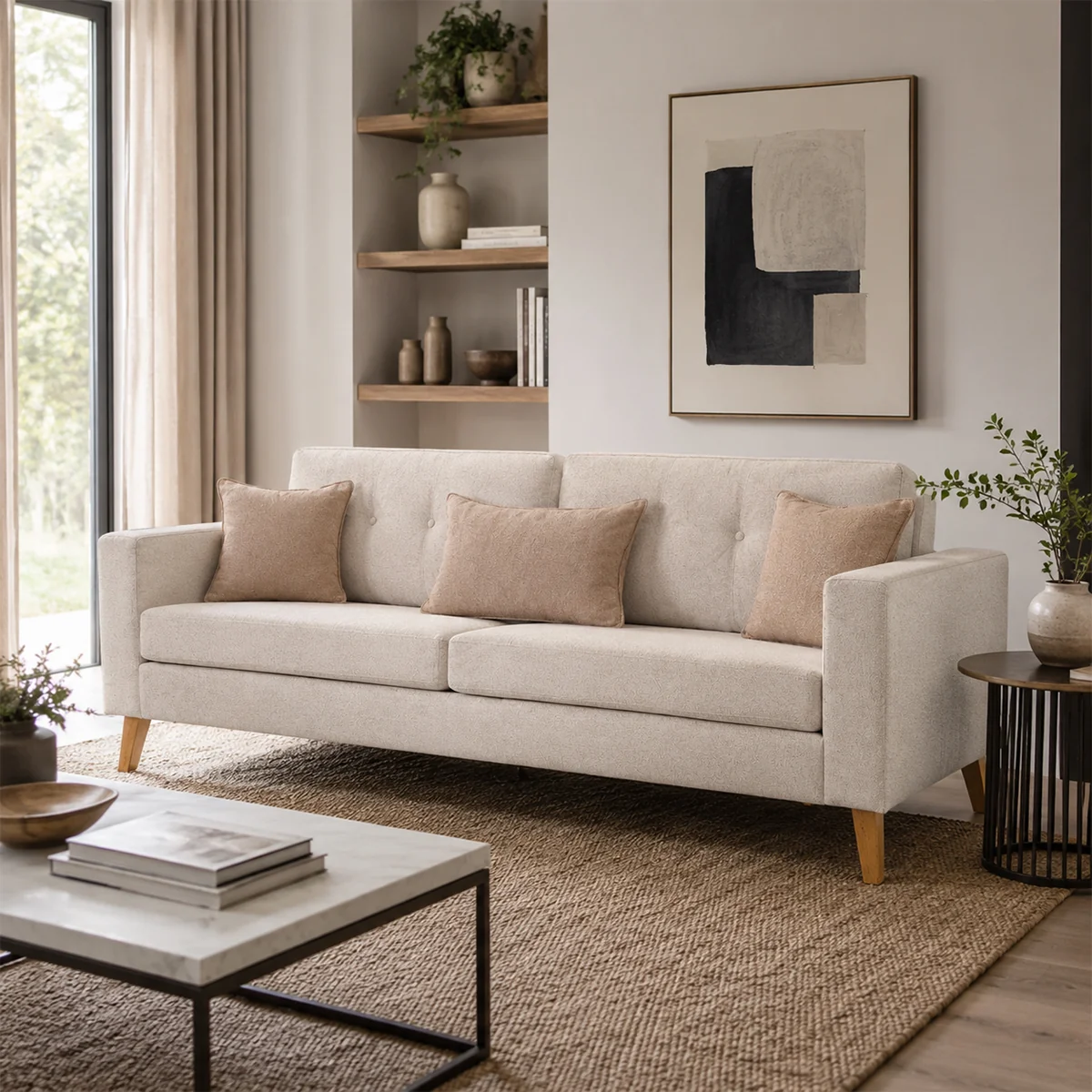
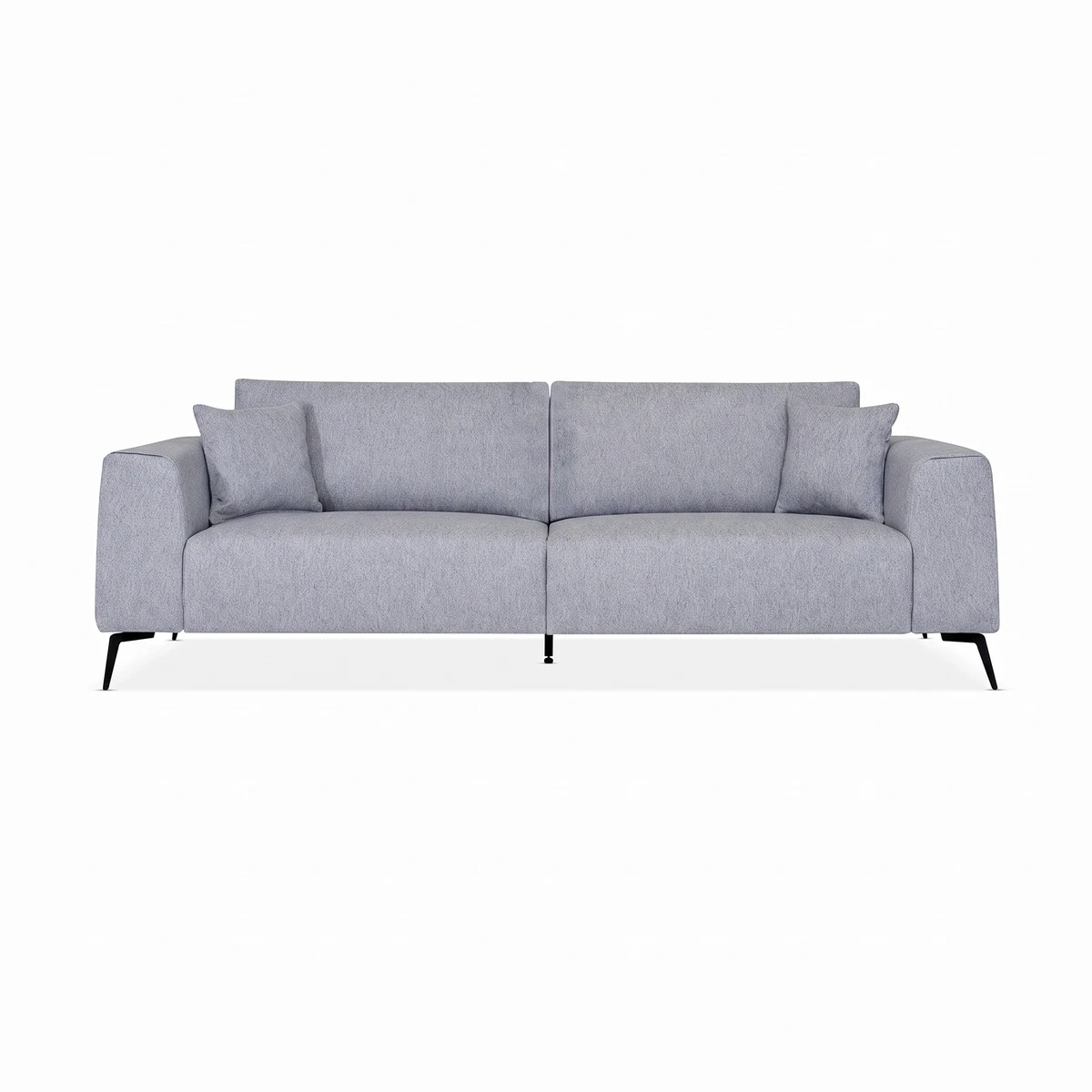
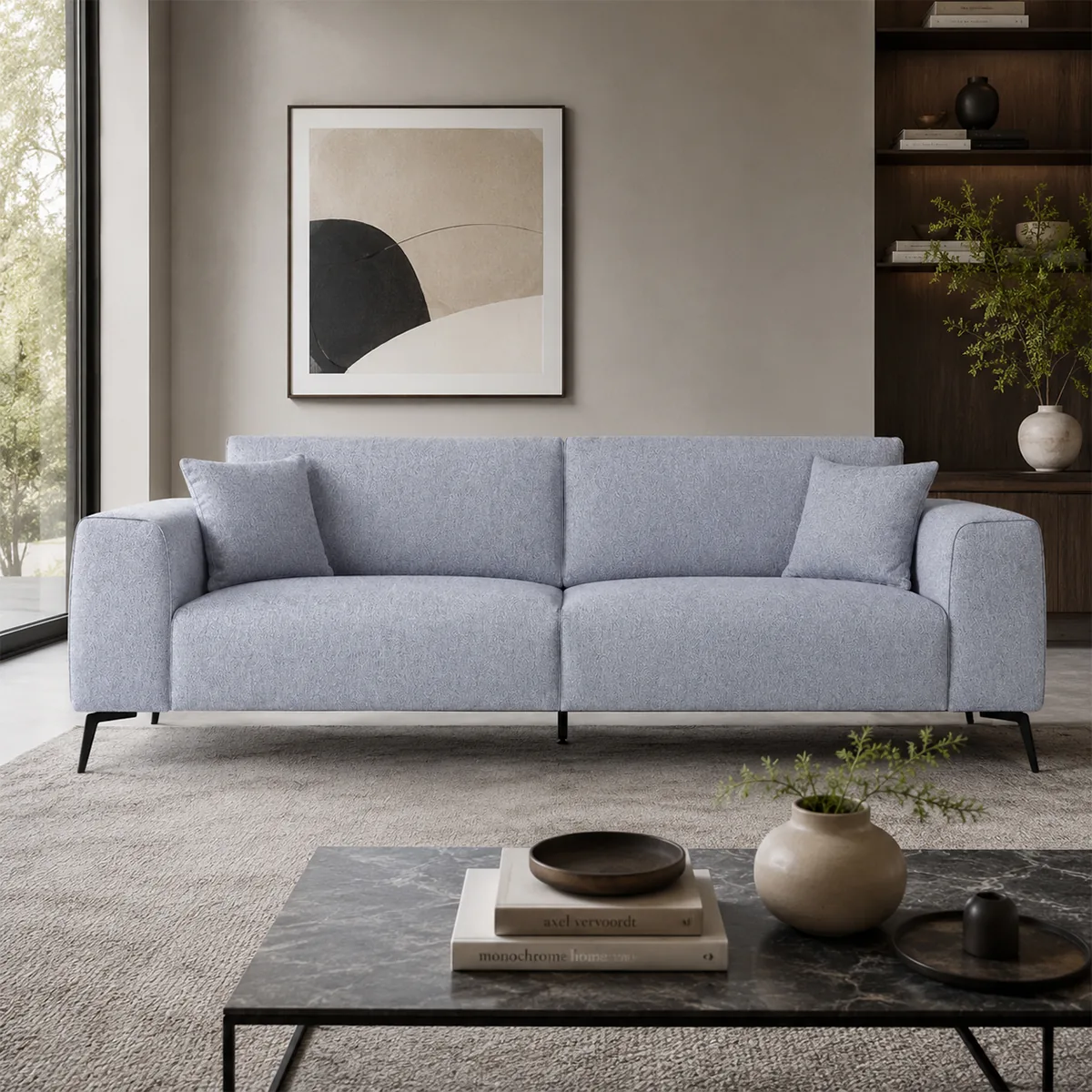
The coffee table sets the tone

Before you decide on a rug, decide on your coffee table. Not just because it sits on top of the rug, but because its material, shape and scale will tell you almost everything you need to know about what kind of rug to choose.
A glass coffee table reads as light and graphic; it lets the rug beneath it breathe, which means you can afford to go bolder with pattern or colour without the whole composition feeling heavy.
The Divine Coffee Table in black toughened glass is a strong example of this. Its sleek, angular form and reflective surface sit beautifully over a textured rug, adding edge without adding visual weight. It's the kind of piece that makes a neutral rug feel intentional and a patterned one feel considered.
A natural-material coffee table reads entirely differently.
The Eclips Coffee Table in dark walnut solid mango wood with metal connector detailing brings warmth and depth to a living room. Here, the material does the decorating. A rug in a natural wool weave or a tonal grey sits underneath it with ease, letting the grain and finish of the wood take the lead.
For something between the two, the Gloria Coffee Table in travertine stoneware occupies that quietly confident middle ground. Stone surfaces have an organic texture that pairs naturally with woven rugs and velvet upholstery alike; it's a material that feels luxurious without trying.
Now choose your rug

The rug is where most decorating decisions go wrong, usually because people choose it last, after everything else is in place and then find nothing quite fits.
The better approach is to treat the rug as part of the foundation.
Size is the first and most important consideration. A rug that is too small will make your seating arrangement look like it's floating.
The general rule is that at least the front legs of every sofa and chair in the grouping should sit on the rug.
In a UAE living room, that typically means going larger than you think you need.

The Entree Grey Cowhide Carpet is a well-proportioned starting point for most living rooms. Its natural cowhide texture adds tactile interest and an organic quality that softens the harder surfaces like glass, wood and metal that often dominate a contemporary interior. It doesn't compete for attention; it creates a foundation for everything above it.
For rooms that want more warmth, the Meldrum Grey Wool Rug is hand-woven with a balanced neutral tone that works across a wide range of colour palettes. Its wool construction gives it a weight and quality underfoot that synthetic rugs rarely replicate.
If your living room runs warm: earthy tones, timber finishes, leather seating, then the Meldrum Navy Wool Rug in a deep blue colourway introduces contrast without disruption. Navy reads as grounding rather than bold; it anchors a room rather than demanding to be looked at.
For those who want more visual movement, the JP-003 Carpet in grey multicolour, a hand-tufted wool-viscose blend, introduces surface variation and sheen. The viscose threads catch the light differently as you move through the room, giving the rug a quality that photographs rarely capture fully.
Build the seating around it
Once your coffee table and rug are decided, the seating arrangement follows logically.
The composition should feel like a conversation, every seat angled towards the centre, towards the coffee table and towards the rug.
A corner sofa often does this most naturally.

The Jimmy Corner Sofa in beige velvet-look fabric is a generous, family-ready piece that wraps the seating arrangement around a central point, ideal for rooms where the coffee table is the shared focus. It's available in both left and right-hand configurations, so it can adapt to the layout of your specific space.
For something with more modular flexibility, the Monza Chaise Longue in green fabric is a modular chaise unit that can be configured alongside a sofa to build out a bespoke seating arrangement. The green upholstery is a considered choice; it introduces colour in a way that feels grounded rather than decorative, particularly against a neutral rug and natural wood coffee table.
An armchair positioned at an angle to the sofa completes the grouping and prevents it from feeling too linear.

The Eyeball Swivel Armchair in brown and walnut is a piece with genuine character; its spherical pod form and 360-degree swivel make it both functional and visually arresting. It works as a design statement within the grouping without overpowering the room.
For a more sculptural take on the same idea, the Eye-Ball Swivel Armchair in orange fibreglass brings a retro-modern energy that rewards a bolder colour palette.
The room is the sum of its decisions
A well-styled living room isn't the result of getting one thing right.
It's the result of a series of decisions that speak to one another: the material of the coffee table against the texture of the rug, the tone of the sofa against the scale of the seating arrangement and the character of the armchair against the whole.
Start from the centre.
Build outward.


