
Mix, don't match: how to create a cohesive home without buying a furniture set
.webp)
There's a particular kind of home that feels like it was put together by someone who knew exactly what they were doing and then there's the matching living room set. The sofa, the armchair and the coffee table are all in the same finish, the same fabric and the same aesthetic family. Bought together, photographed together and now living together in a room that feels less like a home and more like a showroom floor.
Cohesion and matching are not the same thing. In fact, some of the most considered interiors are made up of pieces that don't match at all — they simply share a visual logic. The good news is that logic is learnable. Here's how it works.
Featured collection



The thread that holds it together

Every cohesive room has at least one connecting element that runs through it. It might be a colour that recurs in different forms – on the sofa, in the wall art, in a vase. It might be a material, like brass or natural wood, that shows up across different pieces. Or it might be a mood – the overall feeling of warmth, or restraint, or playfulness that every piece contributes to in its own way.
Before you add anything to a room, it's worth asking, 'What is the connecting thread here and does this piece carry it?'
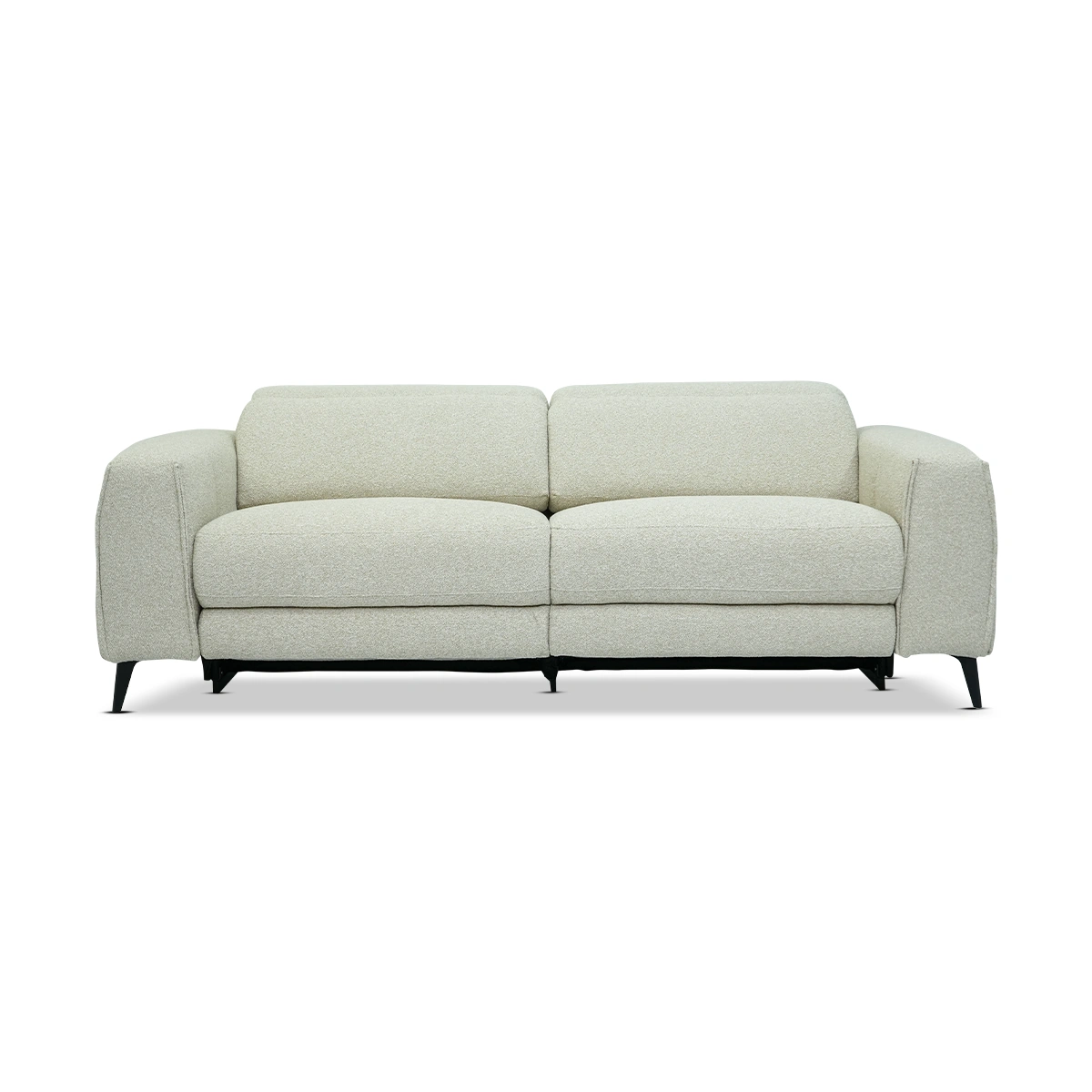
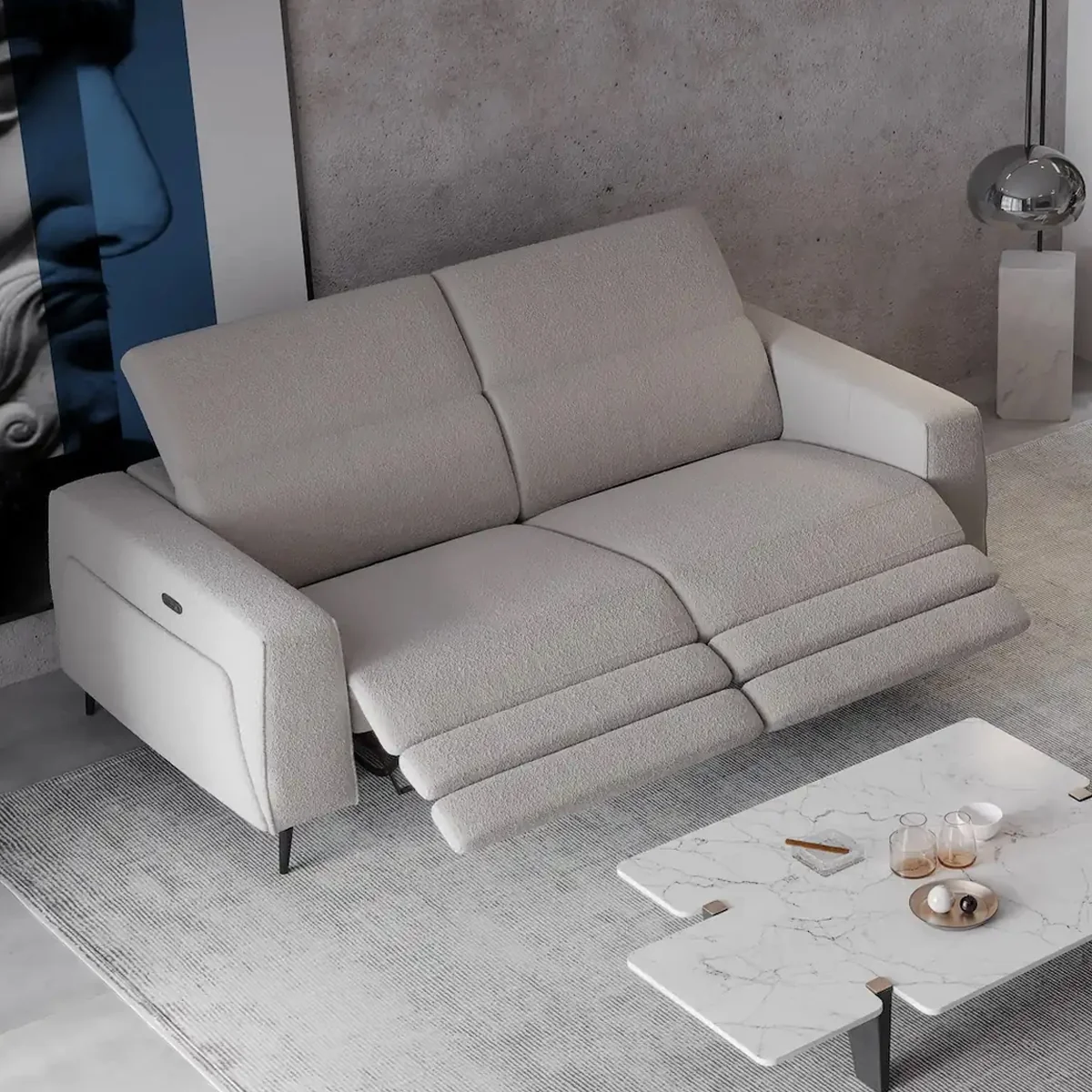
Warmth is often the easiest thread to work with, even when two pieces aren't the same colour at all. The Heidi 2.5-Seater Recliner Sofa in natural tones is a sofa that settles into a room quietly, its soft polyester upholstery and natural wood-toned frame giving the space a warm foundation to build from.
A yellow lacquered console table, like the Eliano Console Table in a different part of the room, isn't a match; the forms are entirely different, but it echoes the same tone and creates a visual connection that makes the room feel thought through. These two pieces were not designed as a set. But placed in the same room, they read as intentional because the colour links them.
Neutrals as a foundation, not a default

A lot of Dubai homes default to neutral, beige, off-white, or greige because it feels safe and because it photographs well. There's nothing wrong with that as a foundation. The problem is when neutral becomes the entire story and the room ends up feeling careful rather than considered.
The Voluzzi 2 Seater Sofa in off-white with deep seating and a modern profile is a strong neutral foundation — exactly the kind of piece that can carry almost any colour or material layered around it. But it needs those layers to come to life.
The Lungo Armchair with Stool in Rust, a high-backed lounge chair with a matching footstool in a warm, earthy rust, is the kind of piece that does exactly that work. It doesn't match the Voluzzi, but it belongs with it. The neutral sofa recedes; the rust chair gives the room its personality.
Wall art as the connective tissue

Once the seating is in place, wall art becomes the most powerful tool for tying a room's different elements together. A well-chosen piece of art can pick up on the tones already present in your furniture and reflect them across the room.
The Arizona 3D Framed Wall Art in camel is a hand-painted dimensional canvas with a warm, textured surface and a palette that echoes sand, stone and natural materials. Hung in a room with warm-toned upholstery or wood finishes, it acts as a visual anchor — confirming the colour story the furniture has already started. The three-dimensionality of the surface adds interest that a flat print doesn't offer, making it earn its place on the wall rather than simply filling it.
For rooms that run cooler or more contemporary, the Florence Framed Wall Art, a hand-painted canvas with bold, expressive detailing across a multicolour palette, brings energy and warmth to a space that might otherwise feel sharp. Its expressive brushwork is useful in mixed-furniture rooms because it doesn't demand a specific aesthetic context; it adapts to what surrounds it rather than competing with it.
Introduce one unexpected piece

Rooms that rely entirely on safe, coordinated choices tend to feel anonymous. A single unexpected piece, something that doesn't quite fit the formula but doesn't break it either, is what gives a room its character.
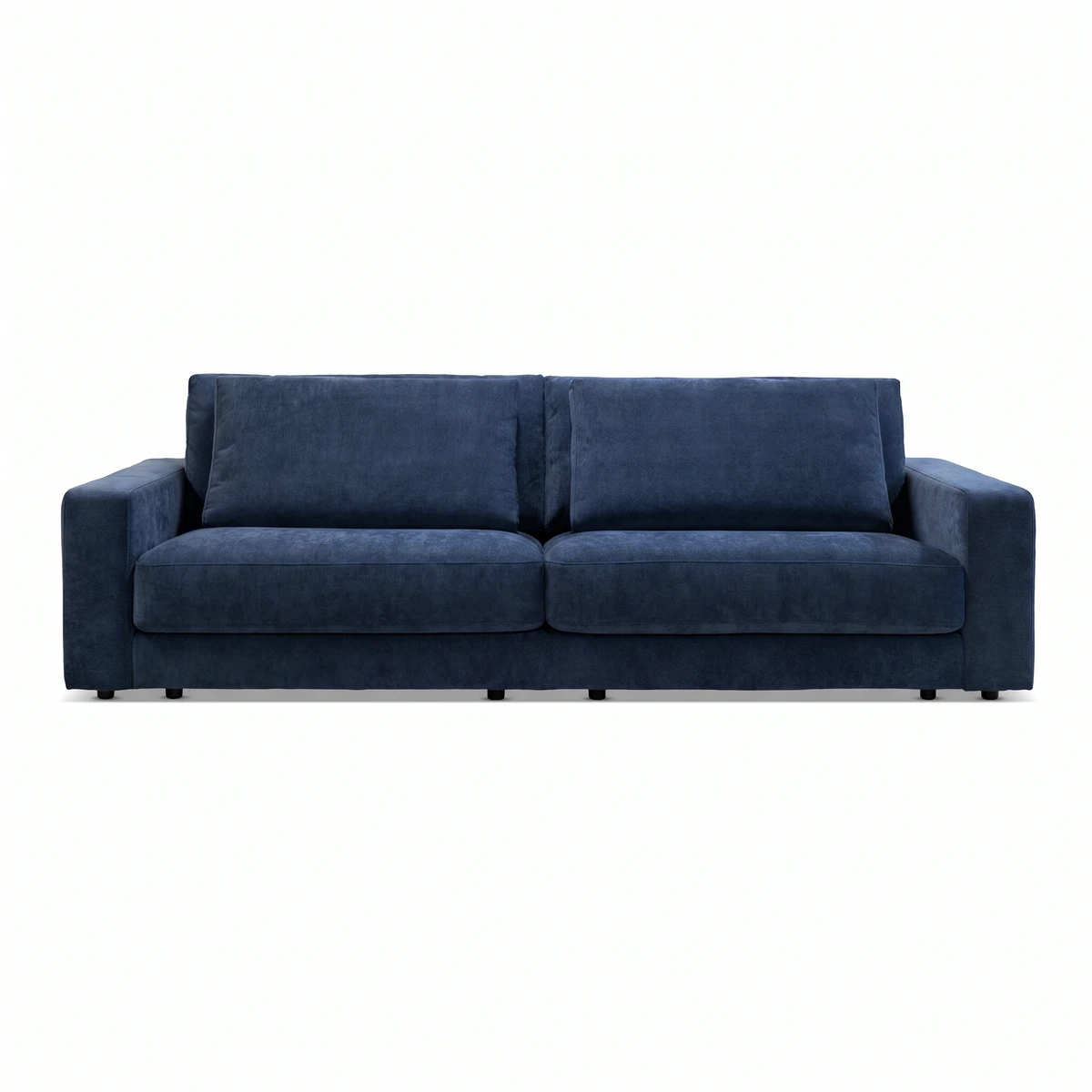
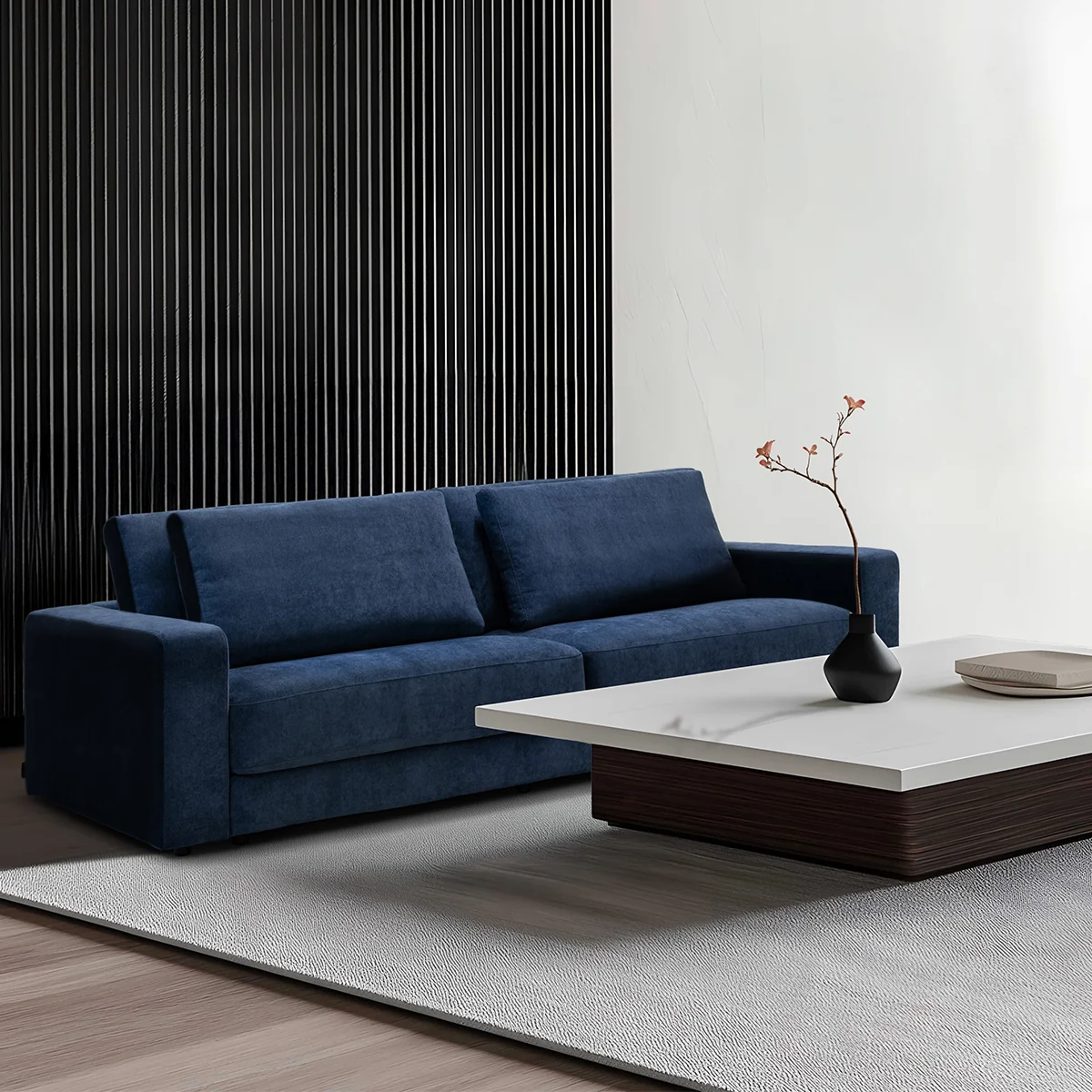
The Rio 4 Seater Sofa in blue fabric is that kind of piece. In a room that has otherwise settled into warm neutrals, the blue reads as a deliberate decision, not an accident or an afterthought and it lifts the entire space. Wide armrests and generous seating give it a presence that justifies the colour choice; it's not a small accent but a full statement.
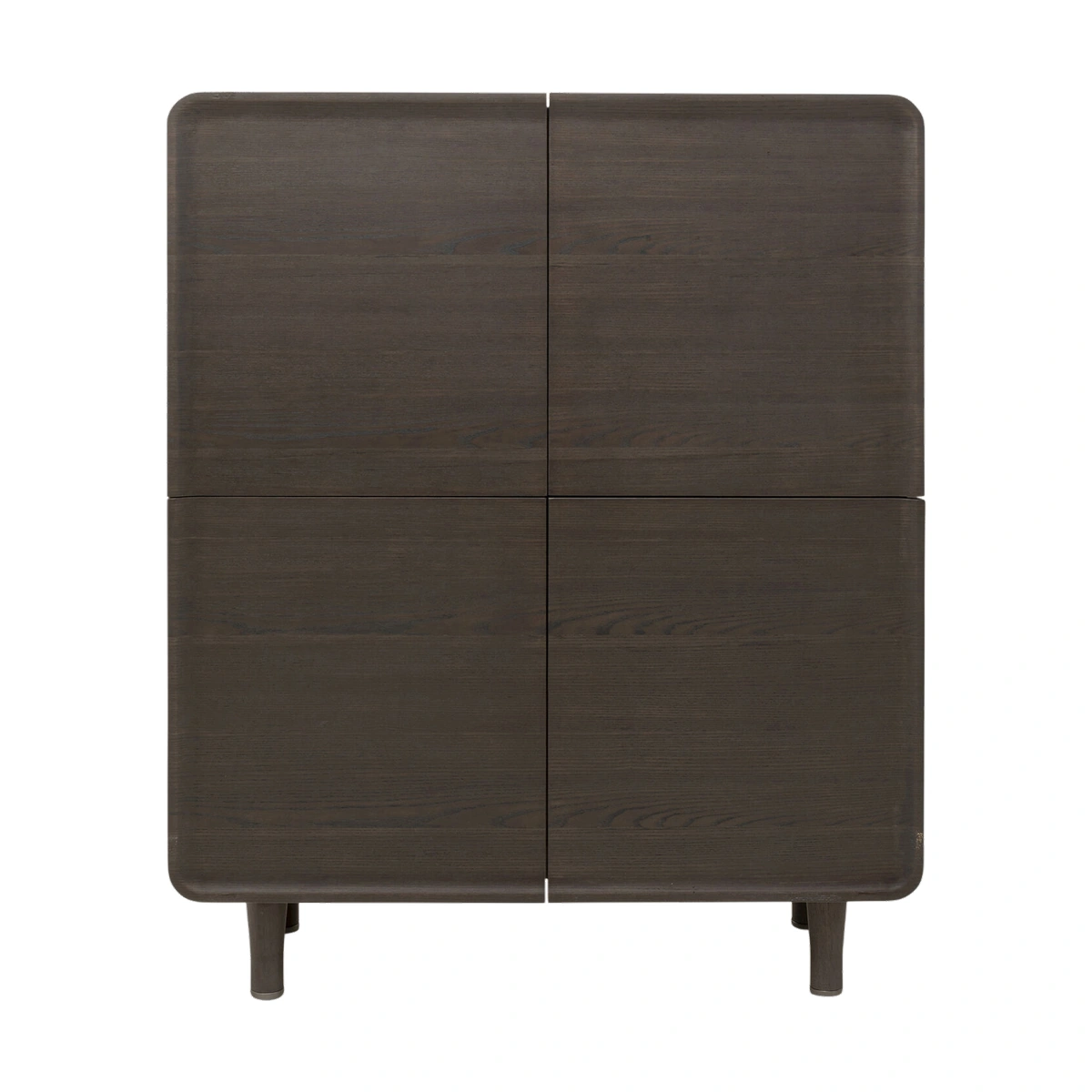
The same principle applies to storage and display pieces. The Venezia Bar Cabinet in cream MDF with glass panels, or the Divine Highboard in black MDF, each brings a strong material presence to a room and neither needs to match the sofa or the armchair to work. What they need is to share the room's overall register: the Venezia in a lighter, warmer room and the Divine in a space that runs darker and more graphic.
The final layer: objects that carry colour

Accessories are often where cohesion actually lands. A vase, a decorative object or a piece of art at a smaller scale can pull together tones that are present across the room but not yet connected.
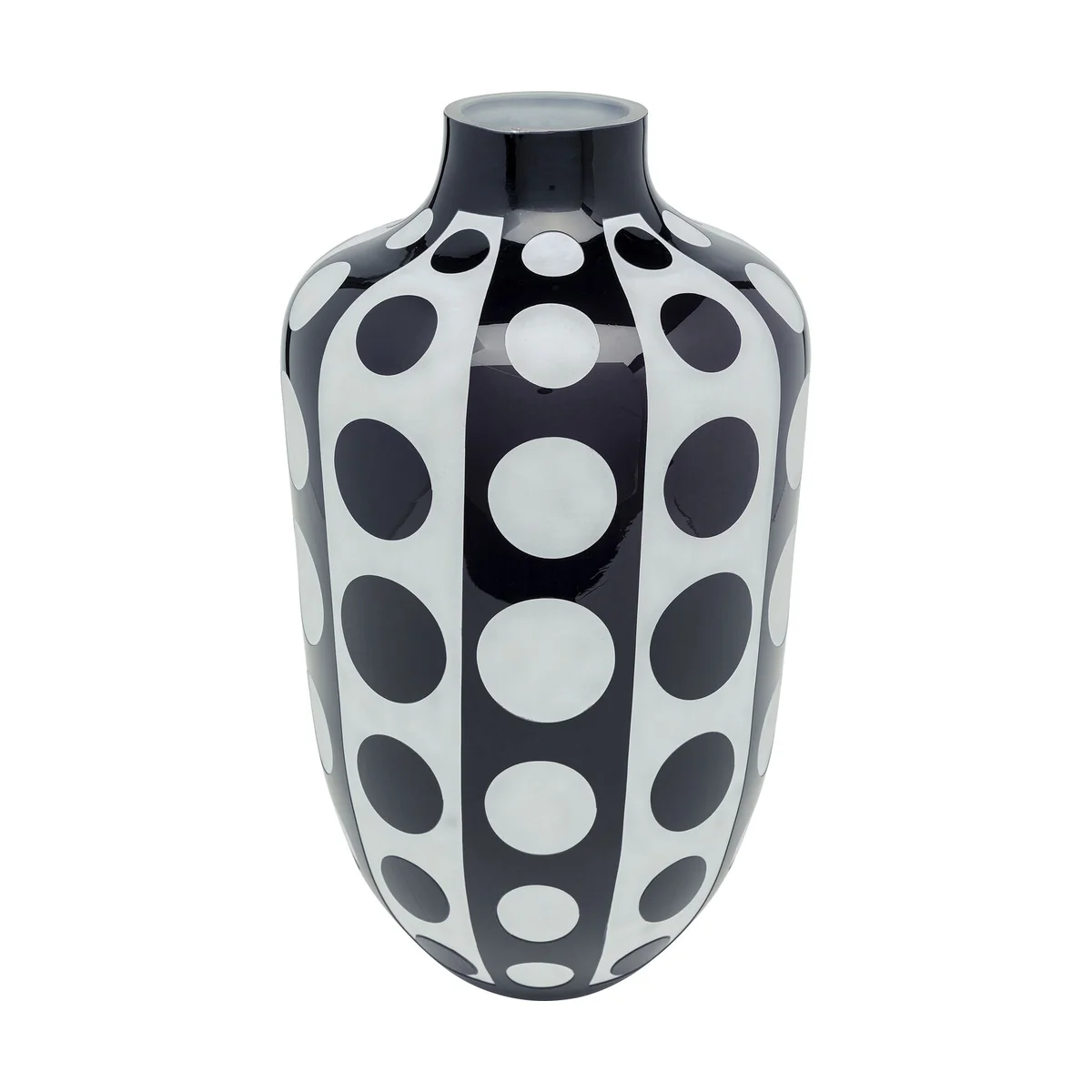
The Brillar Black Glass Vase is the kind of object that earns its place on a shelf or a sideboard. Its sleek, dramatic black glass surface brings a glossy, graphic edge that a matte or textured accessory can't quite achieve. In a room with a dark sideboard or bold wall art, it reinforces the visual language without repeating it.
One rule to keep
If there is a single rule worth holding on to, it's this: vary the form, not the feeling. Two pieces can look entirely different – different shapes, different materials, different origins – and still feel like they belong in the same room if they carry the same emotional quality.
One should be warm, one should be graphic, one should be playful, but all of them should feel like they were chosen by the same person with the same sensibility.
That sensibility is what cohesion actually means.


Product Name : Moonlight and mirror- Giorgio Collection
Product SKU : 17DERN0047


