

At first glance, both styles share a love of clean lines, natural materials and uncluttered spaces. But when it comes to Japandi and Scandinavian design, the differences matter more than you might think.
Knowing which one suits your home can save you from buying beautiful furniture that does not quite work together.
If you are furnishing a living room in Dubai, Abu Dhabi or anywhere across the UAE, here is a practical guide to help you decide.
Featured collection




What each style is actually about
Scandinavian design is rooted in the idea that good design should be functional and accessible. It favours light oak furniture, soft neutrals and a sense of comfort that feels effortless rather than formal. The goal is a space that is easy to live in.
Japandi takes that foundation and strips it back further. It is a blend of Japanese wabi-sabi and Scandinavian functionalism. Where Scandi interiors feel warm and approachable, Japandi leans quieter and more restrained. Think zen-inspired home decor with darker tones, more deliberate negative space and a stronger connection to craft and material honesty.
Both work well in UAE homes. The question is which one reflects how you actually want to live.
The living room: Where the choice becomes real

The coffee table is often where Japandi vs Scandinavian design diverges most visibly.
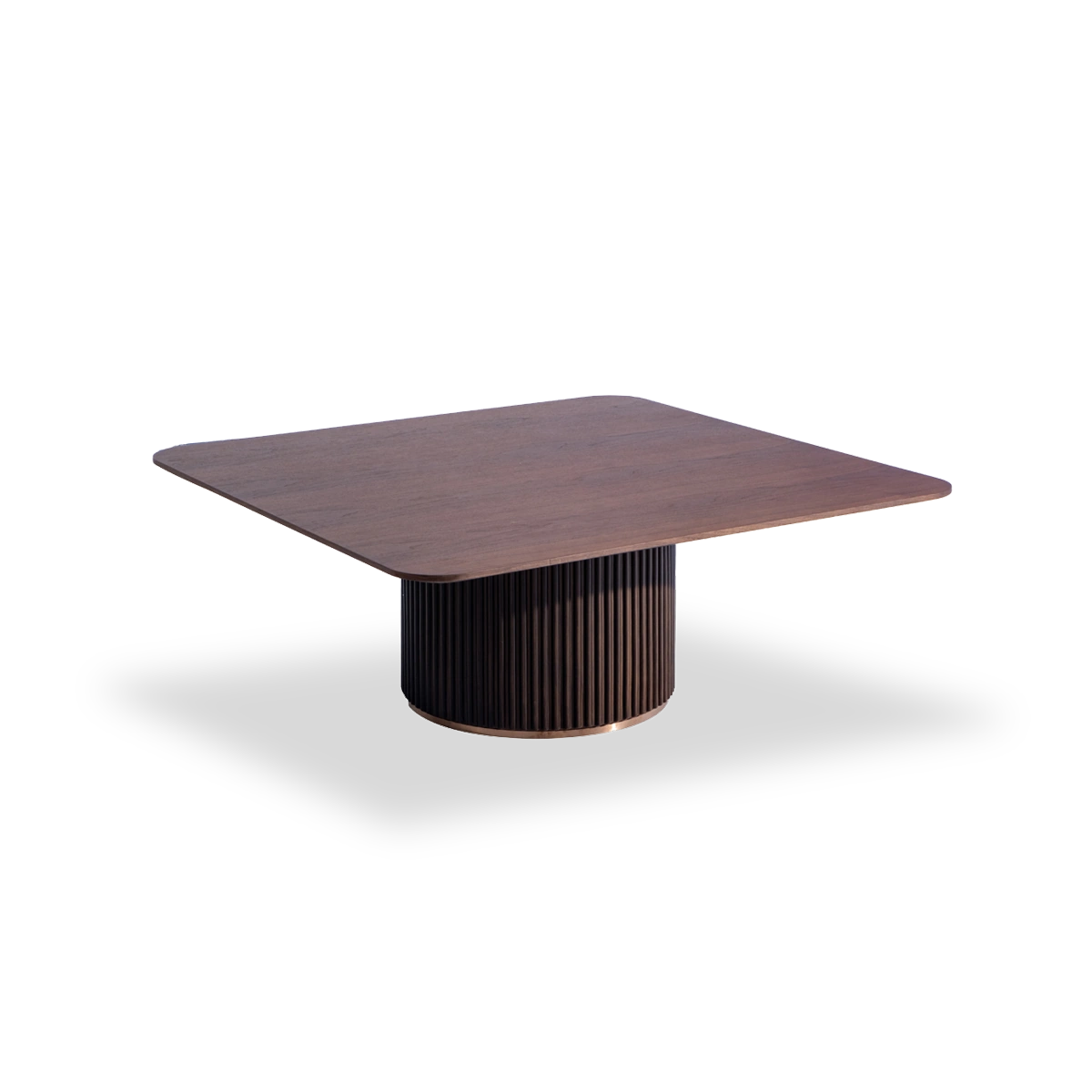
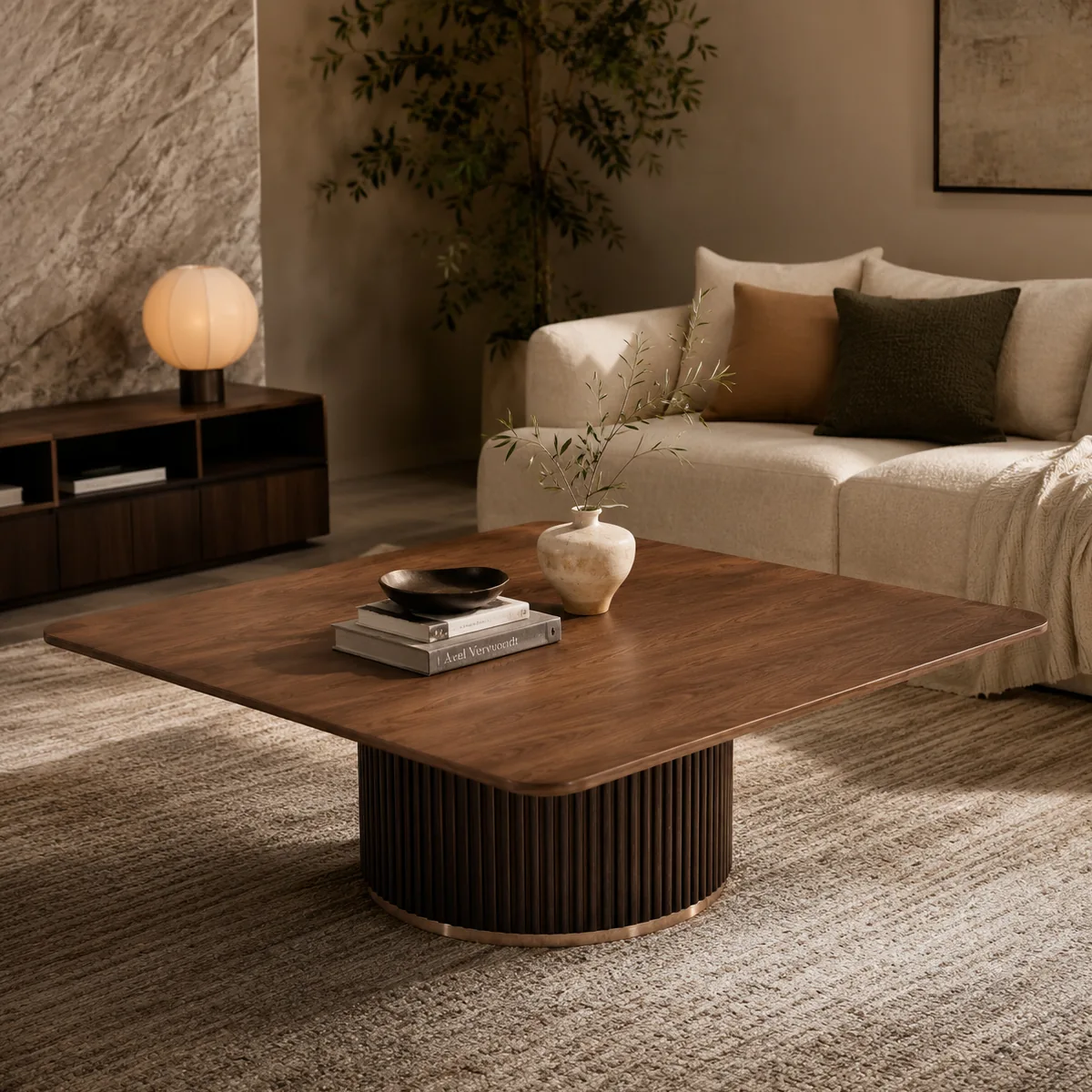
For a Scandi-leaning space, the Lantine coffee table in walnut veneer with brass detailing strikes the right balance: warmth and material interest without feeling heavy.
For something lighter, the Endless Vegas brings a circular, airy quality that sits well in neutral-palette living room ideas.
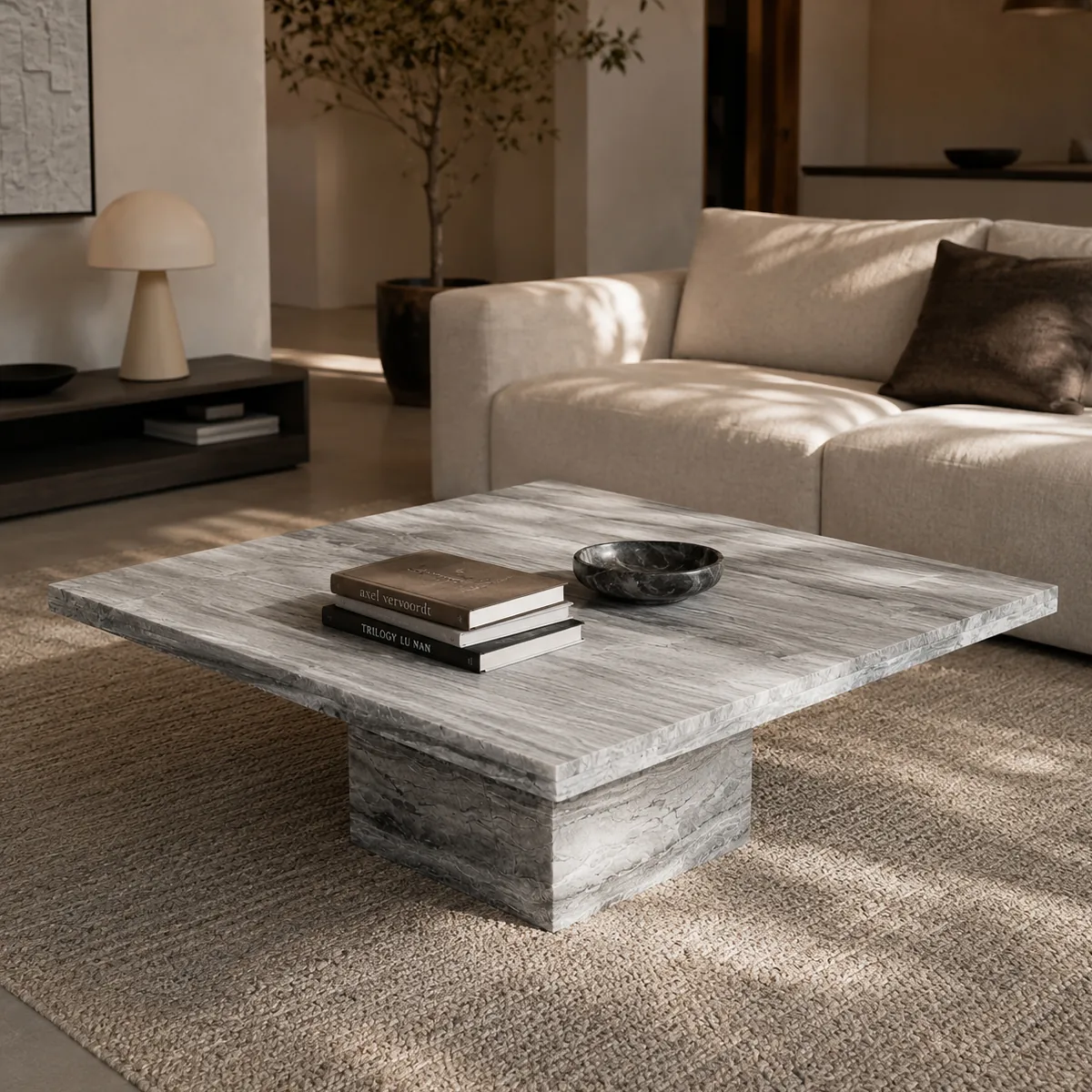
The Toulouse coffee table in marble river grey is a Scandi-style coffee table with a natural material and a clean silhouette that pairs easily with most sofas.
For a Japandi room, the shift is deliberate. The round coffee table in black with a graphite finish and sculptural base has the kind of considered, almost architectural presence that Japandi demands.
The Murano low coffee table in black sits close to the ground in the Japanese tradition, creating a sense of calm that you feel before you consciously notice it.
Seating and accent pieces

Minimalist sofas work across both styles, but the supporting pieces are where the personality comes through.
The Tampa armchair in solid oak with soap lacquer is a textbook Scandi piece: light oak furniture that is honest about its materials and quietly elegant.
For something with more Japandi character, the Charme dining armchair in frost has a cooler and more refined presence that contributes to functional living room layouts without interrupting them.
The Rocky side table in brown adds an organic note that feels at home in either aesthetic.
Lighting: The layer that pulls it together

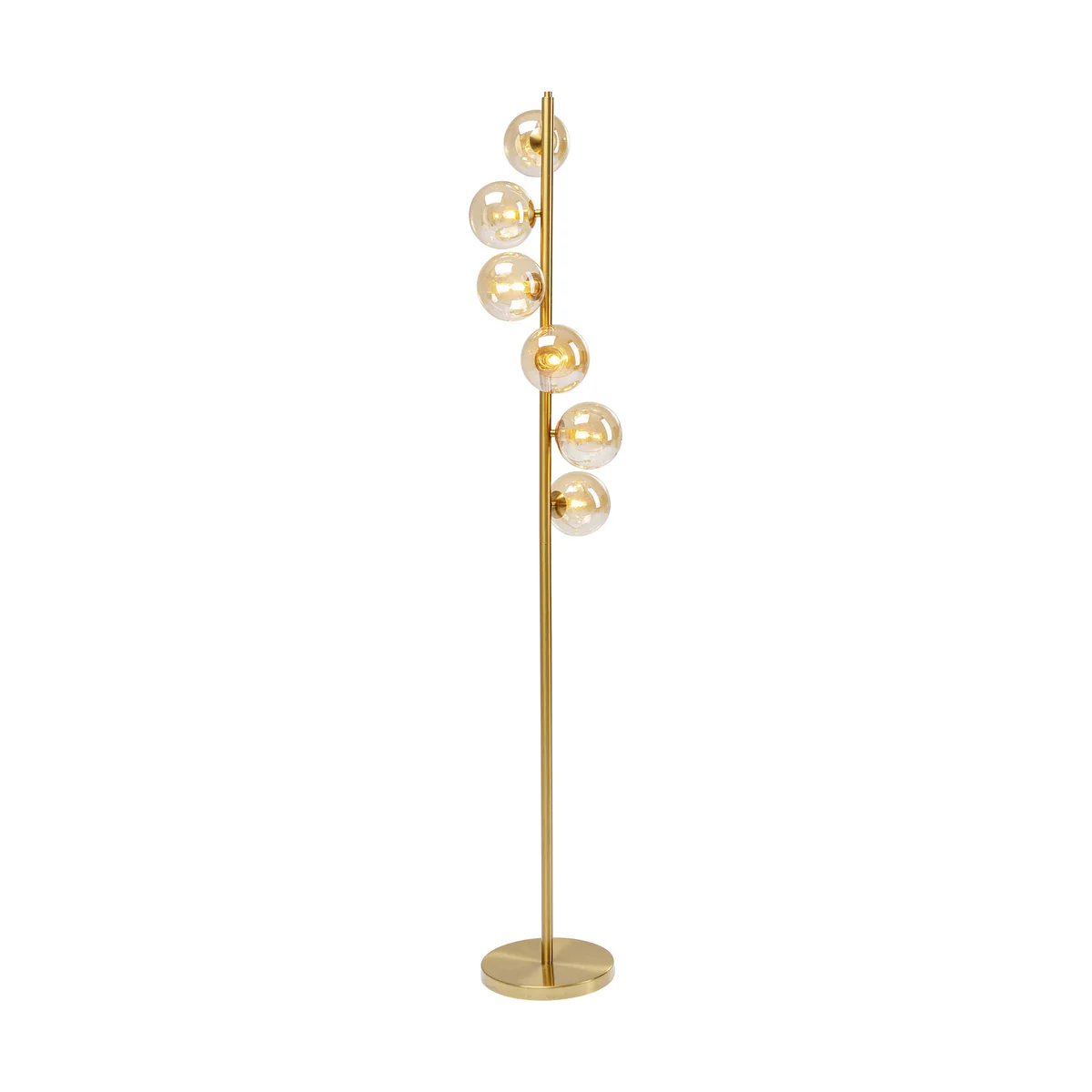
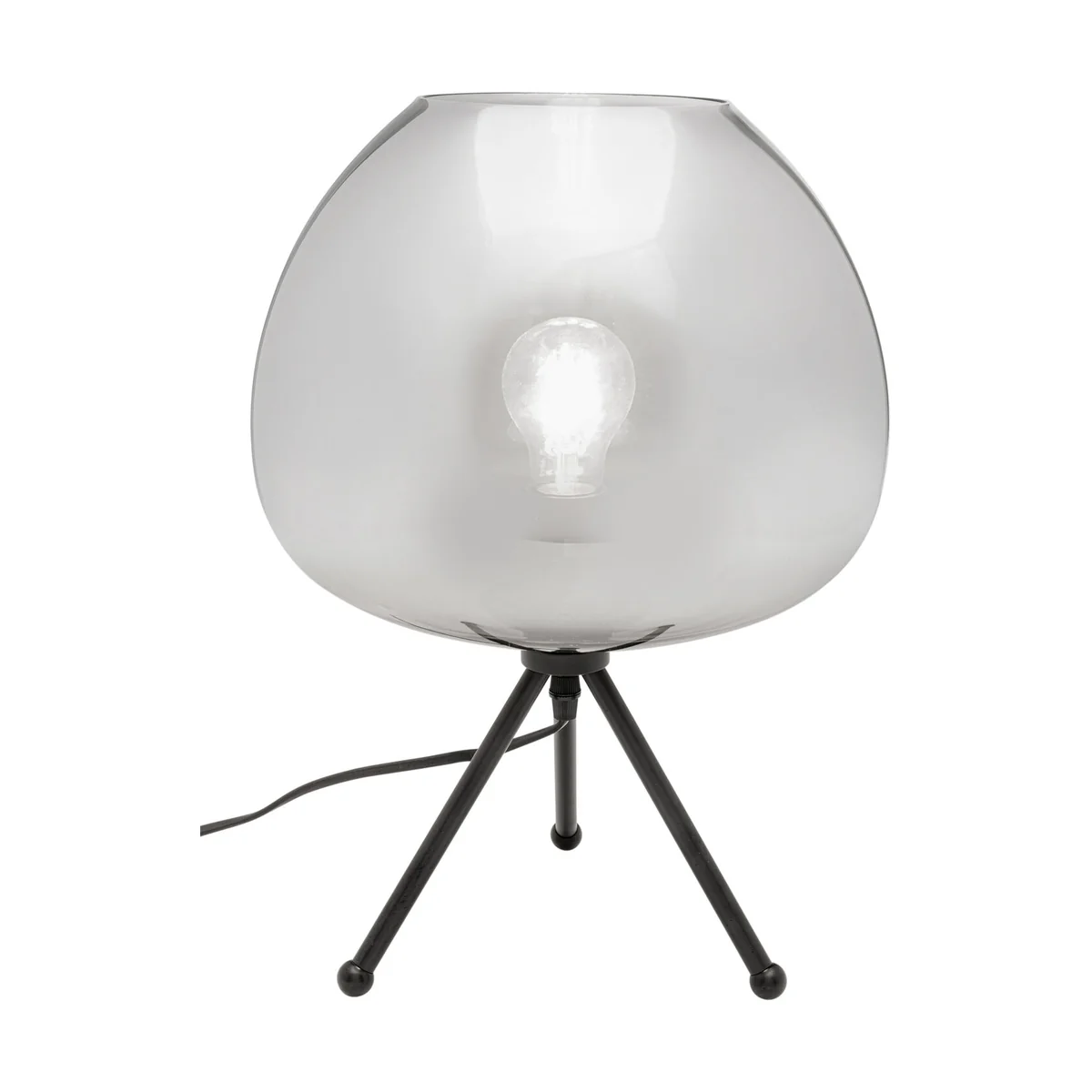
The Sphere smoke table lamp in grey is quiet and sculptural, well-suited to a Japandi interior where even a lamp should feel intentional. The Scala balls floor lamp brings a more playful Scandi energy.
Overhead, the Pendant lamp Atomic balls in silver is restrained and contemporary; the Pendant lamp Heavenly in gold is warmer and more expressive.
Both earn their place depending on the direction you are taking the room.
So which is right for you?
The simplest way to think about Japandi vs Scandinavian design is this: Scandi invites you to relax; Japandi invites you to be still.
Both translate well into modern living room furniture across the UAE, where clean lines and considered elegance tend to resonate.
The best interiors often borrow from both. Start with the pieces that speak to you and let the room tell you where it wants to go.


Product Name : Moonlight and mirror- Giorgio Collection
Product SKU : 17DERN0047


